






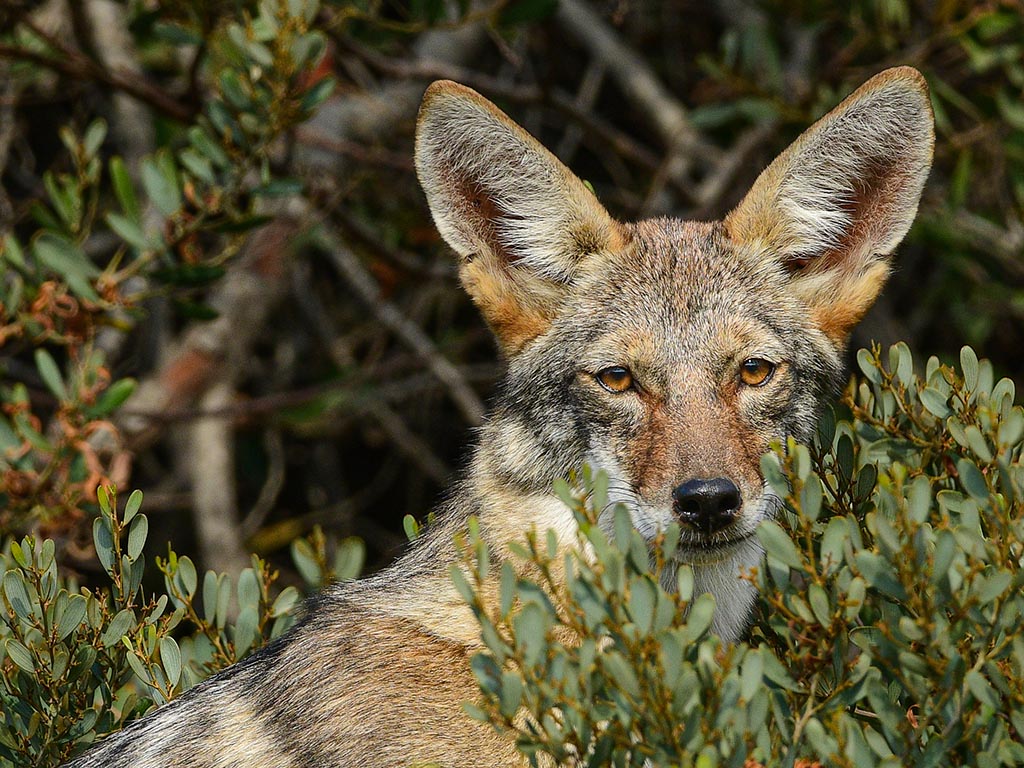
As winter turns toward spring, coyote sightings are once again on the rise across Southern California. Wildlife agencies say the seasonal increase is expected and shared by communities throughout the region.
Coyote breeding season typically runs from late January through March. During this time, adult coyotes travel greater distances in search of mates and food, which often brings them into closer contact with residential neighborhoods.
Huntington Beach, Other Communities, Offer Context
In Huntington Beach, heightened awareness of coyotes is not new. A widely reported coyote attack on a toddler near the Huntington Beach Pier in April 2022 intensified public concern and led the city to adopt a formal Coyote Management Plan later that year.
The plan emphasizes coexistence rather than eradication, reflecting guidance used throughout California.
Huntington Beach isn’t alone. Buena Park, the San Gabriel Valley Council of Governments, the City of Yorba Linda and more all employ coyote management plans, which follow California Department of Fish and Wildlife regulations.
Coyotes’ Role in the Ecosystem
Coyotes are native to California and play an important ecological role, particularly in controlling rodent populations.
“Rodents make up a majority of their diet,” the city’s plan states. “In the process, they control the population sizes of these animals, many of which are considered pests to humans.”
Understanding Real Risks
Officials also acknowledge that urban coyotes can pose risks. Small pets and, in rare cases, young children may be vulnerable. Coyotes are often drawn into neighborhoods by human activity, including unsecured trash, fallen fruit, compost and outdoor pet food.
Reducing Attractants Around Homes
To make neighborhoods less inviting to coyotes, officials recommend trimming dense vegetation that may provide shelter, promptly removing fallen fruit and vegetables, securing trash cans and keeping garbage inside a garage or enclosed area until pickup day.
Protecting Pets
Pet safety remains a key focus of seasonal advisories. Residents are urged not to leave small dogs unattended outdoors and to keep dogs on leashes no longer than six feet.
Cats and small dogs should be kept primarily indoors or closely supervised when outside. Officials also caution against feeding feral cats, noting that outdoor food sources can attract coyotes into residential areas.
Not Unique to One Community
Wildlife experts stress that management plan guidance mirrors best practices used across Southern California, particularly in communities near large open-space preserves. That includes Laguna Woods Village, which borders the expansive Laguna Coast Wilderness Park and surrounding protected lands. These areas are home to a wide range of native wildlife, making seasonal coyote activity a routine part of life at the urban-wildland interface.
A Predictable Seasonal Pattern
Local officials and wildlife agencies emphasize that increased sightings do not signal a growing threat but rather a predictable seasonal pattern. Communities throughout Orange County and beyond are encouraged to follow the same core principles: eliminate attractants, supervise pets and understand coyote behavior.
More information, including detailed checklists on making properties less attractive to coyotes, is available through Huntington Beach’s Coyote Management Plan and similar resources. Residents can search “coyote management resources” for additional guidance.
For more Village news, click on the tag “What’s Up in the Village” below.
